Rooms to Wear: Seven Lessons the World's Most Beautiful Interiors Teach About Dressing
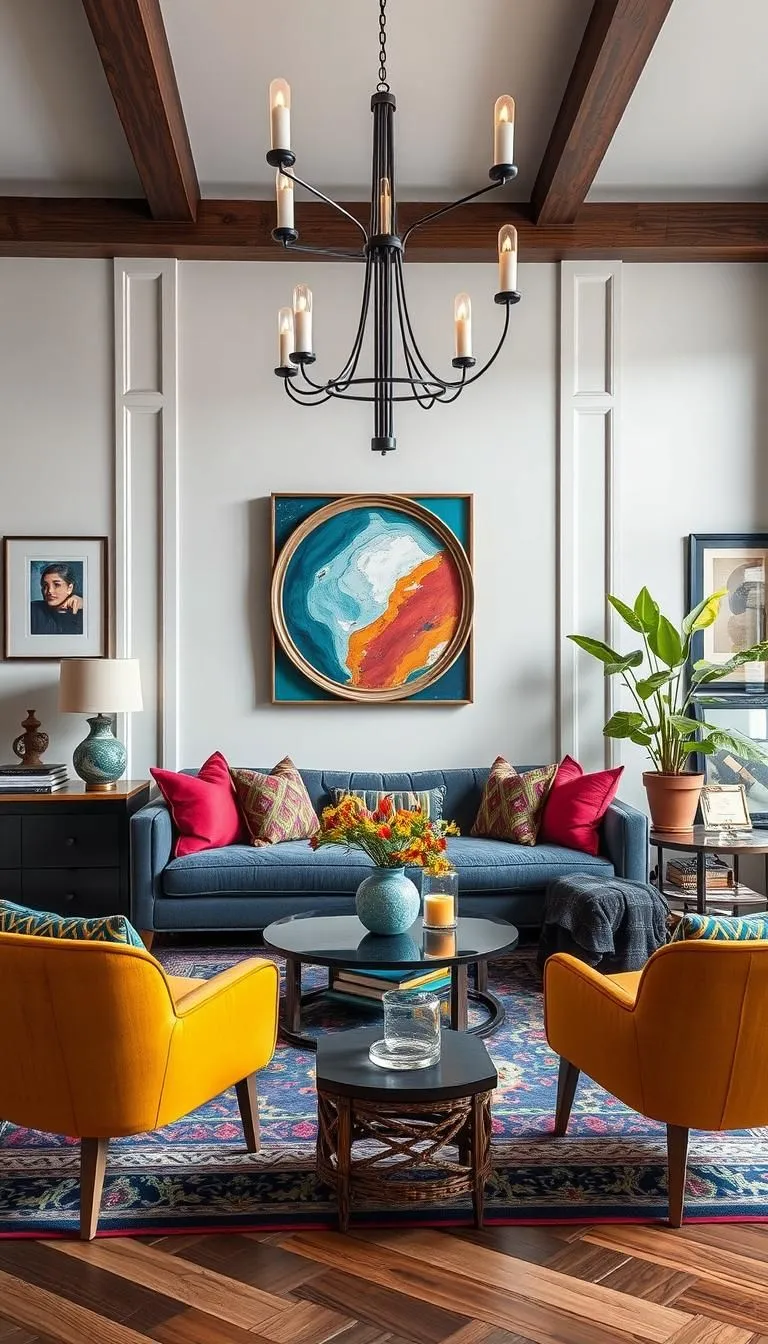
Photo: elegant eclectic living room interior with antique and modern furniture, layered design, via i.pinimg.com
Spend enough time in genuinely beautiful rooms and a pattern emerges. The great interiors of the world—the Parisian apartment with its inherited bergère chairs, the Charleston townhouse with its faded Turkish rugs—obey a handful of principles, and those principles turn out to be portable. They travel directly from the drawing room to the wardrobe. Here are seven of them.
1. Layer the Eras
No unforgettable room is furnished in a single decade, and no unforgettable wardrobe is bought in a single season. The Louis XVI chair beside the mid-century lamp creates a conversation; so does a grandmother's brooch resting on a sharply modern blazer. The wardrobe principle: pair one piece from another era—yours or your family's—with one piece from this one, every time you dress.
2. Invest in Provenance
Interior designers pay extraordinary sums for a table that belonged to someone. Not because the wood is rare, but because the object carries a story, and stories cannot be manufactured. The wardrobe principle: when choosing between two similar pieces, choose the one with a history—a vintage find, an heirloom, a garment purchased on a remembered trip. Provenance is a form of richness that shows.
3. Let the Patina Show
The most coveted antiques are not refinished; they are worn in. A leather chair with a softened seat, a silver tray with faint scratches—these imperfections are the evidence of use, and use is the evidence of life. The wardrobe principle: stop replacing things the moment they soften. The cashmere that has relaxed, the denim that has faded to your particular shade, the handbag with a honored scuff—these are not worn out. They are broken in, and there is a world of difference.
4. Edit Without Mercy
Every great room contains what it contains because something else was removed. Designers call it editing; the result is called breathing room. The wardrobe principle: a closet, like a room, cannot be curated by addition alone. The annual removal of what no longer earns its place is not loss. It is how the remainder becomes visible.
5. Anchor the Room with One Imperfect Element
Designers know a room that is too correct feels cold, so they introduce a single flaw—a rough linen drape, a primitive ceramic, a wall left unartful. The imperfection is what makes the space feel inhabited. The wardrobe principle: allow one unpolished note. The flat sandal with the evening dress. The slightly undone cuff. Perfection, full-strength, reads as a showroom. One flaw reads as a person.
6. Repeat a Motif
Beautiful rooms rhyme. The brass of the lamp returns in the picture frame and the door handle, quietly binding the space together. The wardrobe principle: find your motifs—two or three materials, colors, or shapes that recur across your wardrobe—and let them repeat. This, more than any single purchase, is what people perceive as having a style.
7. Leave Room to Live
The final lesson: the best rooms are not museums. They hold the dog's bed and the stack of current novels, and they are lovelier for it. The wardrobe principle: dress for the life you actually lead. The wardrobe that survives is the one that accommodates the school run and the rainstorm and the Tuesday, not only the gala.
A wardrobe, in the end, is simply the smallest room you own. Furnish it with the same philosophy, and the whole house—every room, every day—becomes an expression of the same taste.