The Heirloom Imperative: Wearing What Was Left Behind as an Act of Sophistication
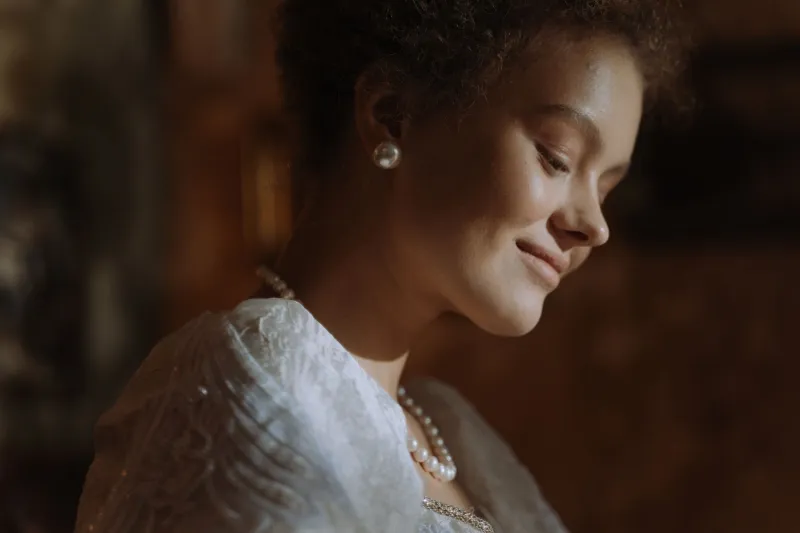
There is a particular quality of confidence required to wear your grandmother's pearls to a dinner where every other woman at the table is wearing something purchased within the last six months. It is not the confidence of defiance — it carries no chip on its shoulder, no manifesto attached to the clasp. It is something quieter and more potent: the confidence of a woman who knows exactly who she is and considers the women who came before her to be part of that identity rather than a departure from it.
This is the disposition at the heart of what might be called the heirloom imperative — a growing sensibility among discerning American women who are actively reclaiming inherited and vintage pieces not as nostalgic gestures, but as expressions of the most sophisticated kind of personal style: one that is rooted, considered, and entirely immune to the pressures of the trend cycle.
Beyond Sentiment: The Case for Heirlooms as Style
The first obstacle to wearing inherited pieces with true authority is the cultural framework through which they are typically perceived. Heirlooms are generally understood as sentimental objects — valuable because of their emotional associations rather than their aesthetic ones. This framing, however well-intentioned, diminishes them. It positions them as exceptions to one's style rather than expressions of it, and it subtly suggests that wearing them requires an explanation.
The reframing required is both simple and significant: an inherited piece is not a memorial. It is an object of quality, provenance, and history — three attributes that the contemporary luxury market works extraordinarily hard and charges extraordinary sums to approximate. The brooch that belonged to your great-aunt was not manufactured to simulate heritage; it possesses it. The handbag that crossed state lines with your mother is not designed to suggest a life well-lived; it has already lived one.
When a woman wears these pieces from this perspective — as objects of genuine distinction rather than familial obligation — something shifts in how they are perceived and how she inhabits them. They become, in the truest sense, luxury items: things whose value is inseparable from what they have actually been and where they have actually been.
The Psychology of Continuity
Style psychologist and author Dr. Renata Holloway, who consults with clients on the relationship between dress and identity, notes that the decision to incorporate heirloom pieces into a contemporary wardrobe is rarely as simple as it appears. "There's often a complex negotiation happening," she explains. "The woman has to reconcile her own aesthetic identity with the aesthetic of the person who owned the piece before her. When that negotiation is successful, the result is extraordinarily powerful — a visual statement about lineage, about values, about the kind of person she considers herself to be in relation to her history."
This negotiation is worth undertaking deliberately. The goal is not to wear an inherited piece despite its history, nor to be consumed by it, but to bring it into genuine dialogue with one's own present-tense identity. The result, when achieved, is a form of personal style that communicates depth — a quality that is genuinely difficult to purchase and impossible to manufacture.
There is also, Dr. Holloway observes, a psychological dimension to wearing objects with demonstrated longevity. "These pieces have already survived. They have already proven their quality and their relevance across decades. There is something stabilizing about wearing that kind of proven thing, particularly in a cultural moment that is so relentlessly focused on the new and the next."
Practical Principles for Wearing Heirlooms with Authority
The transition from keeping an inherited piece in a jewelry box to wearing it with genuine confidence benefits from a few guiding principles.
Contextualize, don't costume. The most common error in wearing vintage or inherited pieces is treating them as period costumes rather than contemporary style choices. A 1960s enamel clip earring does not require a 1960s ensemble; it requires a modern one confident enough to let the earring speak on its own terms. The surrounding garments should be of the present, allowing the heirloom to provide its own particular note of distinction without overwhelming the composition.
Edit with the same rigor you apply to everything else. Not every inherited piece belongs in active rotation. Some objects are genuinely better preserved than worn — whether because of their fragility, their scale, or their resistance to integration with your existing wardrobe. The discipline of editing applies here as everywhere: wear what serves your style, and honor what does not by caring for it properly rather than forcing it into service.
Invest in professional assessment and, where necessary, restoration. A piece worn with true authority is a piece worn in excellent condition. Before introducing an heirloom into regular rotation, consult a reputable jeweler or textile conservator to understand its condition and the appropriate care it requires. This is not a minor consideration — a beautifully maintained vintage garment or a properly reset inherited stone communicates entirely differently than one that appears neglected. The investment in restoration is, in many cases, the investment that transforms a sentimental object into a genuine style statement.
Document the provenance. Part of what distinguishes an heirloom from a vintage purchase is the specificity of its story. Take the time to record what you know about each piece — who owned it, when it was acquired, what occasions it marked. This documentation is valuable both for its own sake and because it deepens your own relationship with the object. The woman who can speak fluently about the history of what she is wearing inhabits it differently than one who cannot.
Against the Tyranny of the New
The broader cultural context in which the heirloom imperative is emerging is not incidental. American consumer culture has spent decades refining its capacity to generate the sensation of desire — to make the new feel not merely appealing but necessary, and to make the old feel not merely dated but somehow deficient. The fashion industry, in particular, has perfected this mechanism, cycling through trends with an acceleration that has made genuine personal style increasingly difficult to develop and maintain.
In this context, the deliberate choice to wear what has been passed down — to invest in continuity rather than novelty — is a form of resistance that carries genuine aesthetic and psychological weight. It is a statement that one's identity is not available for seasonal revision, that quality recognized across generations does not require contemporary validation, and that the most interesting thing one can wear to a room full of new purchases is something that has already proven itself.
This is not nostalgia. Nostalgia is passive — a longing for what was. The heirloom imperative is active: a decision to bring the past into the present on one's own terms, to wear history as a form of self-expression, and to claim the sophistication that comes from knowing exactly where one comes from and choosing, without apology, to let that knowledge show.