Dressing for Posterity: The Considered Art of Building a Wardrobe Worth Inheriting
Among the most quietly radical acts available to the modern consumer is the decision to buy something intended to outlast you. In a market engineered around rapid turnover and the perpetual novelty of the next season, choosing garments with genuine longevity—pieces that might one day hang in your daughter's closet or be discovered by your son in a cedar chest—represents a fundamental shift in how one relates to clothing.
This is not nostalgia. It is intention.
The concept of the fashion heirloom is not new; it is, in fact, one of the oldest relationships between people and their clothing. Before the industrial democratization of fashion, garments were expensive enough to be repaired, altered, and passed down as a matter of course. A well-made coat was a serious investment, and it was treated accordingly. What has changed is not the possibility of heirloom dressing, but our awareness of it—and the deliberateness required to pursue it in an age when the alternative is so readily available.
What Makes a Piece Heirloom-Worthy
Not every expensive garment is worth preserving, and not every heirloom-worthy piece is expensive. The qualities that allow clothing to travel through generations are more specific than price, and understanding them is the first step in building a meaningful wardrobe legacy.
Silhouette stability is perhaps the most important criterion. Certain shapes have demonstrated, across decades, a resistance to the tides of fashion that renders them perennially relevant. The A-line skirt. The straight-leg trouser with a clean break at the ankle. The single-breasted blazer with natural shoulders. The sheath dress. These are not boring choices; they are proven ones. Vogue archives from the 1960s and contemporary street photography share these silhouettes, and they will share them thirty years hence.
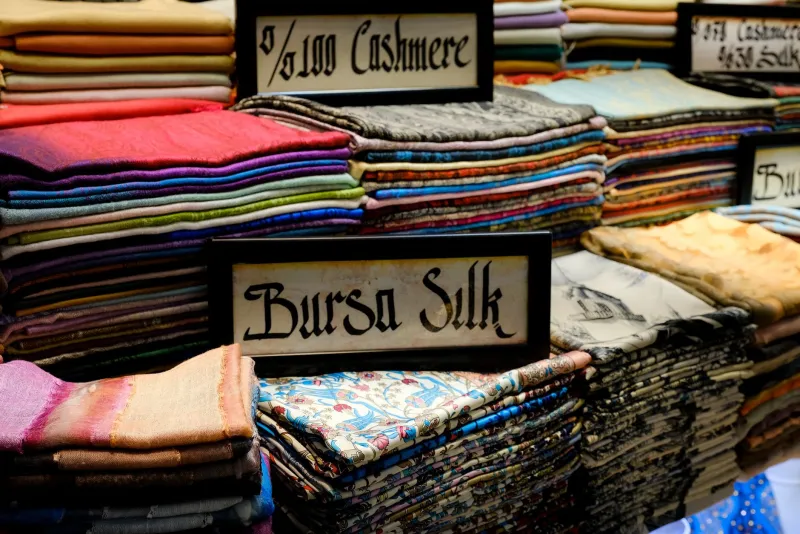
Fabric integrity is the second pillar. Natural fibers—wool, silk, linen, cashmere, cotton—age with a dignity that synthetic materials cannot replicate. A silk blouse softens and develops a patina with wear and careful washing; polyester simply degrades. A Harris Tweed jacket grows more beautiful as it conforms to its owner's body; a polyester blend loses its shape and luster within years. When selecting pieces for longevity, prioritize natural fiber content without exception.
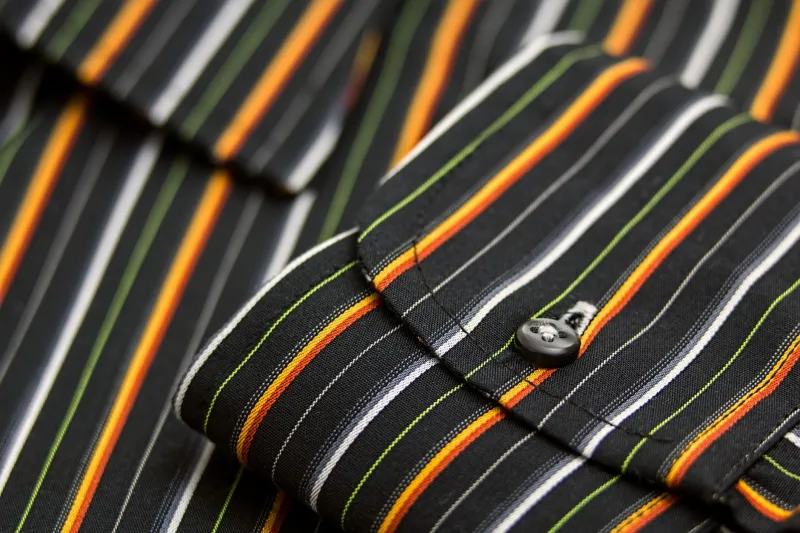
Construction quality, as explored elsewhere in these pages, determines whether a garment survives the physical demands of decades of wear, cleaning, and storage. Hand-finished seams, reinforced stress points, quality closures, and natural-fiber interfacings all contribute to a garment's structural longevity. A coat with a fused interlining—where the interfacing is glued rather than stitched to the outer fabric—will eventually delaminate. One with a sewn canvas will last a lifetime.
The Designers and Houses With Proven Longevity
Certain names have earned their reputations for producing pieces that hold their value, their shape, and their relevance across generations. American consumers building a legacy wardrobe would do well to consider the track record of the houses they patronize alongside the individual merits of each piece.
Heritage American houses—Brooks Brothers at its finest, Ralph Lauren's Purple Label, Loro Piana—have produced garments that appear in estate sales and vintage archives looking virtually unchanged from their original form. European houses with long American followings—Chanel, Hermès, Brioni—have similarly demonstrated the kind of design discipline that resists obsolescence.
Beyond specific houses, look for designers whose aesthetic vocabulary does not change dramatically from season to season. A designer whose identity is rooted in a consistent vision—rather than one who pivots with each cultural moment—is more likely to produce pieces that feel cohesive across time rather than obviously dated to a particular year.
It is also worth noting that certain categories of clothing have demonstrated more consistent longevity than others. Outerwear—particularly structured coats and blazers—tends to hold its relevance and its form better than highly styled dresses or trend-driven separates. Accessories, especially leather goods and silk scarves, are among the most reliable heirloom investments: a well-made leather handbag, properly stored and maintained, can genuinely last a century.
The Practice of Stewardship
Owning heirloom-quality clothing carries responsibilities that extend well beyond the initial purchase. A cashmere coat that is dry-cleaned too frequently and stored in a plastic bag will not survive twenty years, let alone pass to the next generation in wearable condition.
Begin with cleaning. Natural fibers should be cleaned only when genuinely necessary—over-cleaning is among the primary causes of fiber degradation. When dry cleaning is required, seek out a specialist who understands heritage garments rather than a volume cleaner who processes everything through the same chemical cycle. For washable items, cold water and a gentle detergent designed for fine fabrics will extend the life of the piece considerably.
Storage demands equal attention. Garments should be stored clean—oils and residues attract moths and accelerate fiber breakdown. Wool and cashmere should be stored with cedar blocks or lavender sachets rather than mothballs, which can leave chemical residues that damage fibers over time. Structured garments—blazers, coats—should be hung on properly shaped wooden hangers that support the shoulder without distorting it. Knits and delicate fabrics should be folded rather than hung to prevent stretching.
For truly significant pieces, consider archival storage: acid-free tissue paper, breathable cotton garment bags, and a cool, dry environment away from direct light. Light fades fabric and degrades fiber; a cedar-lined wardrobe in a temperature-controlled room is not an extravagance for pieces intended to last generations—it is a basic requirement.
The Conversation Across Time
There is a dimension to heirloom dressing that transcends the practical. When we select garments with the intention of passing them forward, we are making a statement about what we value—about permanence, quality, and the relationships that matter most to us. A grandmother's Hermès scarf carries with it not only the quality of its silk and the artistry of its print, but the memory of the woman who wore it, the occasions it marked, the life it witnessed.
This is what separates a fashion legacy from a mere collection. The pieces that children will actually want to wear are not necessarily the most expensive ones—they are the ones that carry meaning alongside craftsmanship. They are the coat worn to every important occasion, the blazer that fits as though it was made for the wearer (because it was), the silk blouse that appears in every family photograph from a certain decade.
Building such a wardrobe is an act of love as much as it is an act of taste. And in an industry that profits from impermanence, it is quietly, elegantly subversive.